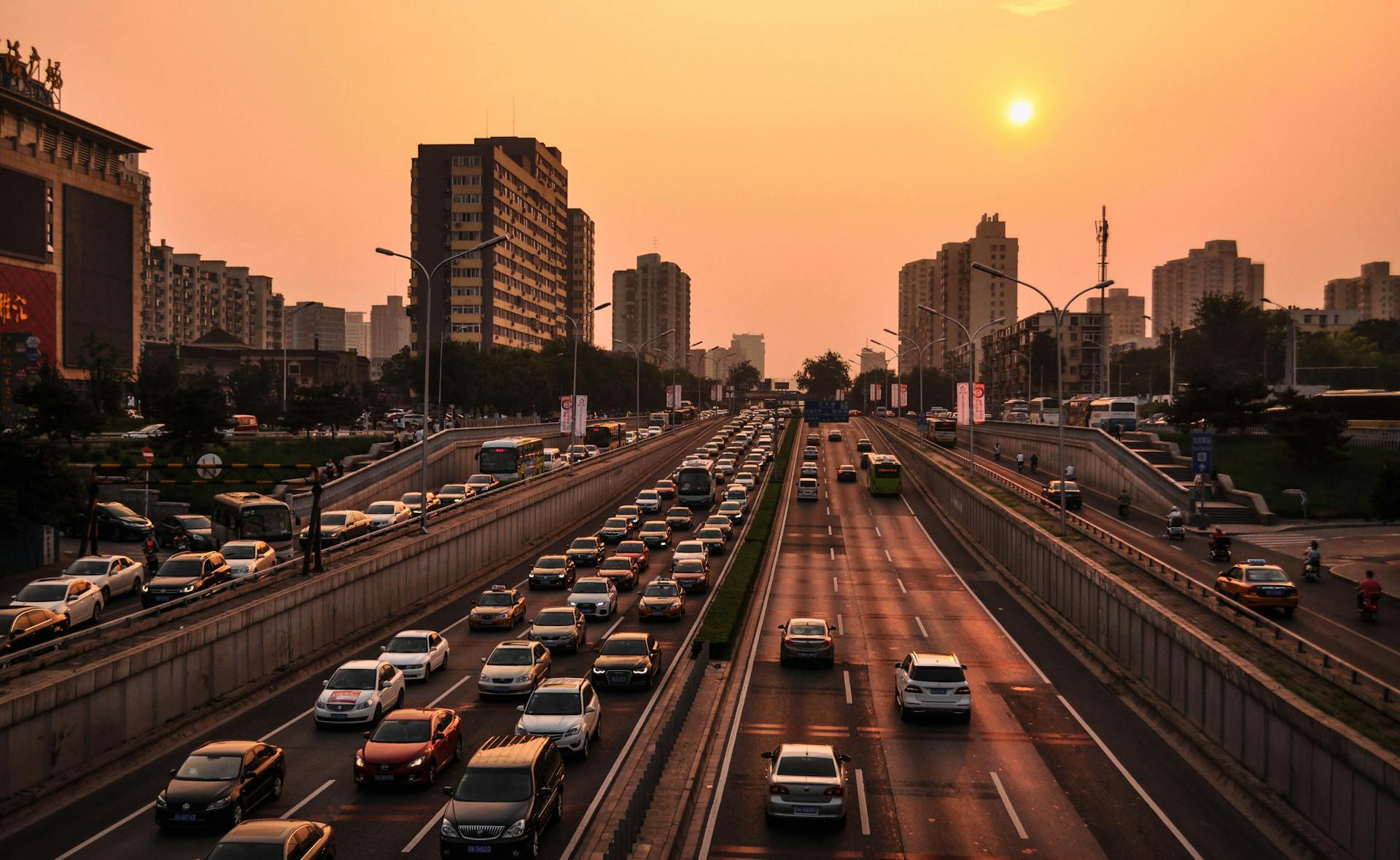
Road safety is a shared priority for every community in Australia. In the 12 months to October 2025, 1,361 Australians lost their lives in road crashes — a 6.9 per cent increase on the prior year — and tens of thousands more were injured. The toll is one that policy makers, researchers and the transport industry continue working to reduce. As autonomous vehicle technology develops overseas, a growing body of published data is offering a new perspective on what safer roads could look like, with robotaxi operator Waymo releasing detailed safety comparisons drawn from more than 300 million autonomous kilometres of operation.
The Scale of the Global Road Safety Challenge
Road crashes claim approximately 1.19 million lives worldwide each year. In the United States, 40,901 people died in road crashes in 2023, with an estimated 2.4 million injured. The economic cost of US road crashes is estimated at US$340 billion per year, rising to approximately US$1.37 trillion when the impact on quality of life of those killed and injured is included — a burden that falls on individuals, families and the health system.
Australia’s road safety record has improved significantly over recent decades through safer vehicle design, improved infrastructure and stronger enforcement of road rules. Yet the challenge of further reducing serious crashes remains an active priority for state and federal governments. Understanding what other countries are experiencing as autonomous vehicle technology scales is increasingly relevant to that conversation.
What Waymo’s Published Safety Data Shows
Waymo, the autonomous vehicle company operating robotaxi services in several US cities including San Francisco, Phoenix, Los Angeles, Austin and Atlanta, publishes detailed safety comparisons on its official website. Based on an analysis of incidents in its operating areas, the company reports that its fully autonomous vehicles have been associated with significantly fewer crash categories than the average human-driven vehicle covering the same routes.
According to Waymo’s published safety data, the company’s autonomous vehicles were associated with 92 per cent fewer crashes resulting in serious injury or worse, compared to the average human driver in the same areas. Crashes that triggered airbag deployment were 83 per cent lower. Injury-causing crashes of any kind were 82 per cent lower.
It is worth noting that these figures come from Waymo’s own analysis of its operational data, covering its specific vehicles in specific US cities. As Waymo itself acknowledges, its vehicles operate primarily in cities with well-mapped road networks and generally favourable conditions — context that is relevant to any fair reading of the results. Understanding how robotaxi sensor and AI systems operate helps explain why autonomous vehicles can behave consistently in ways that differ from human drivers — they do not experience fatigue, distraction or impairment.
Independent Analysis: The Swiss Re Findings
One notable element of Waymo’s safety reporting is the involvement of Swiss Re, one of the world’s largest reinsurance companies. Swiss Re conducted its own analysis of Waymo’s crash data — covering more than 25 million miles of operation — and published conclusions that aligned with the company’s own figures.
Swiss Re found that Waymo vehicles were associated with 92 per cent fewer bodily injury insurance claims and 88 per cent fewer property damage claims, compared to the average human-driven vehicle benchmark over the same routes. For an insurer whose core business is assessing and pricing risk, these findings add a layer of independent commercial verification to the published safety record.
For Australia, insurance frameworks are a central component of any robotaxi regulatory structure. The question of who is liable when a robotaxi is involved in an incident is already being examined by Australian regulators, and the actuarial data emerging from US operations will inform how those frameworks develop.
Vulnerable Road Users: Pedestrians, Cyclists and Motorcyclists
Among the figures Waymo publishes, those relating to vulnerable road users are particularly significant. Pedestrians, cyclists and motorcyclists are disproportionately represented in serious road crash statistics in most countries — and reducing harm to these groups is a persistent challenge for road safety policy.
Waymo’s published data reports 92 per cent fewer pedestrian crashes resulting in injury, 85 per cent fewer crashes involving injured cyclists and 81 per cent fewer crashes involving injured motorcyclists — all compared to the average human driver on the same routes.
These figures are directly relevant to Australian cities, where cycling infrastructure is expanding and pedestrian activity in urban centres continues to grow. Australian cities preparing for autonomous vehicles will need to consider how the technology interacts with the full range of road users, not just vehicle occupants.
How These Comparisons Are Constructed
Understanding the methodology behind safety comparisons provides important context. Waymo compares its crash rate against a baseline of human-driven vehicles travelling the same routes during the same time periods. This approach is designed to control for the specific road environments and traffic conditions in which Waymo operates, rather than comparing against national averages that would include very different road types.
The company has also published peer-reviewed research through academic conferences and contributed data to the Waymo Open Dataset, which is available to researchers worldwide developing and testing autonomous driving algorithms. This engagement with the broader research community reflects a commitment to transparency that, according to the company, is central to building public and regulatory confidence in the technology.
The broader safety case for robotaxi technology continues to develop as operational experience accumulates globally. The picture that emerges from published data is promising — while also reflecting the specific conditions under which these vehicles currently operate.
What These Results Could Mean for Australian Roads
Australia’s road environment is distinct from the US cities where Waymo currently operates. Australian urban roads include a wide mix of conditions, road rules vary between states and territories, and the high-definition mapping infrastructure required to support fully autonomous operations is not uniformly available.
These differences mean that international safety data, however encouraging, cannot be directly applied to the Australian context without accounting for local conditions. The timeline for autonomous vehicles on Australian roads reflects the work still required to adapt the technology and build the necessary regulatory foundations.
What the published international data does offer is a reference point. It suggests that, under appropriate conditions and with sufficiently mature technology, autonomous vehicles may have the potential to improve safety outcomes for a range of crash types. Whether those outcomes can be replicated in Australian conditions is a question that regulators, researchers and operators will need to examine carefully as the technology develops.
Australia’s Regulatory Pathway
The National Transport Commission (NTC) is the body responsible for developing Australia’s regulatory framework for automated vehicles. The NTC’s work includes the Automated Vehicle Safety Law (AVSL) framework, which outlines how vehicles with autonomous capabilities will be approved, monitored and held accountable under Australian law.
A key feature of the proposed framework is ongoing safety data reporting. Operators of autonomous vehicles in Australia would be required to report safety-relevant incidents to regulators, creating a growing evidence base that allows real-world performance to be monitored over time. This approach reflects international best practice and provides a structured pathway for building public confidence through transparency.
The NTC’s ongoing regulatory work draws on international experience, including the safety data being published by operators in the US. As Waymo expands internationally to cities including London and Tokyo, the operational data from urban environments closer in character to Australian cities will provide an additional reference for Australian policymakers in the years ahead.
Sources
- Waymo Safety — Official Safety Data and Comparisons (waymo.com)
- Waymo Safety Impact Dashboard (waymo.com)
- Waymo Blog — Operational Updates and Research (waymo.com)
- Connected and Automated Vehicles — National Transport Commission (ntc.gov.au)
- BITRE National Road Safety Data Hub — Monthly Road Deaths (datahub.roadsafety.gov.au)
- National Highway Traffic Safety Administration — Traffic Crashes Cost America Billions (nhtsa.gov)
- Featured image: Highway traffic at golden hour via Pexels