When Waymo launched its robotaxi service to the public in the United States, the default experience was straightforward: open the app, request a ride, pay a per-trip fare. That model worked well enough — but on 11 June 2026, the company introduced something new. Waymo Premier is an invite-only monthly membership for its most frequent riders, and its arrival signals a meaningful shift in how autonomous ride-hailing services might eventually be priced, promoted and positioned for Australian consumers.
What Waymo Premier Offers
Priced at US$29.99 per month, Waymo Premier is initially available to select riders in San Francisco, Los Angeles and Phoenix — the three cities where Waymo One has the deepest operational footprint. Members receive priority matching when requesting a ride, meaning they are connected to a vehicle ahead of general users during high-demand periods. Every trip earns 10 per cent Waymo Cash back, with higher rates during busy times. Members also receive early access to Waymo One when it expands to new cities and up to five free cancellations per month.
The program is invite-only at launch — riders receive an invitation through the Waymo app if they qualify as frequent users. Waymo has confirmed Premier will expand to additional cities as the service scales, and that membership benefits travel with users from city to city across the Waymo network. The company has described it as a permanent feature of the platform designed for those who rely on the service most.
Why a Membership Model Makes Sense for Autonomous Ride-Hailing
Traditional ride-hailing platforms have experimented with subscription passes for years, offering discounted or unlimited rides for a monthly fee. For autonomous vehicle operators, a membership model carries additional strategic logic. Predictable monthly revenue reduces the volatility of pure per-trip income, while priority matching creates a strong incentive for heavy users — exactly the segment that generates the most operational data to improve the system over time.
Frequent riders in urban environments are also the users who benefit most from the reliability and safety of a fully driverless vehicle. Autonomous taxis have accumulated a strong published safety record across millions of miles in US cities, and a subscription model effectively rewards users who rely on that safety consistently rather than treating each trip as a one-off decision. The 10 per cent cashback structure mirrors what loyalty programs offer in aviation and hospitality — a proven method for converting occasional users into habitual ones.
How the Pricing Model Reflects Waymo’s Scale
Waymo Premier arrived the same month Waymo expanded its service coverage to more than 1,400 square miles across 11 US cities — the largest autonomous ride-hailing footprint in history. A subscription program makes commercial sense at that scale. It builds brand loyalty, encourages riders to shift away from competitor services and generates recurring revenue that supports the substantial infrastructure investment autonomous fleets require.
At typical Waymo One fare rates in the US, a frequent rider making regular urban trips could recoup a meaningful share of the monthly fee through cashback alone, effectively reducing their cost per ride below what they would pay without a membership. The business model is designed for daily commuters and those who depend on the service routinely — rather than occasional or tourist users — and that distinction matters for how it might eventually be adapted for other markets.
What These Pricing Models Signal for Australian Consumers
Australia does not yet have commercial autonomous ride-hailing services operating in its cities. The timeline for robotaxis on Australian roads depends on regulatory approvals, high-definition mapping infrastructure and decisions by operators about which international markets to enter after establishing themselves in the US and UK. Waymo is currently in an autonomous testing and regulatory approval phase in London and Tokyo, with commercial launches targeted for later in 2026 subject to regulatory approval.
But the pricing models being established now will inform what Australians can expect when services eventually arrive. Robotaxi pricing in an Australian context is shaped by factors including the higher cost of vehicle registration and compliance, local wage expectations for any support staff and the purchasing power of Australian consumers relative to those in US cities. A US$29.99 per month equivalent in Australian dollars — roughly AU$46 at current exchange rates — sits comfortably within the range many Australians already spend on streaming services, gym memberships or regular public transport top-ups.
Priority Access and the Question of Equity
One aspect of the Waymo Premier model worth examining is the priority matching mechanism. Members in high-demand areas are matched with vehicles ahead of non-member users. During peak periods — city centres on weekday evenings, major events, airport arrival peaks — this could create a meaningful difference in wait times between paying members and standard users.
This question of equitable access is already being raised in Australian transport policy. Robotaxis offer significant potential benefits for elderly and disabled Australians who may depend on autonomous vehicles for independence and daily participation. Whether a tiered pricing structure might disadvantage those with lower incomes or those in outer suburban areas — where services are likely to launch later than in dense city centres — is a question that Australian regulators and future operators will need to consider carefully as the market develops.
Australia’s Regulatory and Market Readiness
The National Transport Commission (NTC) is developing the regulatory framework that will govern how autonomous vehicle services operate in Australia. The NTC’s Automated Vehicle Safety Law framework focuses primarily on safety accountability and incident reporting obligations, but as the commercial landscape in the US continues to develop, Australian regulators will increasingly need to consider how pricing models, membership tiers and service equity interact with existing transport and consumer protection law.
The Australian cities most prepared for autonomous vehicles — those with dense urban environments, strong existing transport networks and active regulatory engagement — are also those where a subscription model would be most commercially viable. A daily commuter in inner-city Sydney or Melbourne relying on a robotaxi membership for regular trips represents precisely the consumer profile a Waymo Premier-style offering targets. As safety data from hundreds of millions of autonomous kilometres continues to accumulate, the case for that kind of habitual, subscription-driven usage becomes easier to make.
The direction being set now in the US matters not because Australia will simply copy it, but because the pricing intuitions, loyalty mechanics and access questions being worked through in San Francisco and Phoenix will shape the expectations that operators bring when they eventually look south. Autonomous ride-hailing is settling into the same subscription-enhanced model familiar from every other major digital platform sector. For Australian consumers and policymakers, the question is increasingly not whether this model arrives — but when, and on what terms.
Sources
- Waymo — Introducing Waymo Premier, an Elevated Rider Experience (waymo.com)
- Waymo One — How the Service Works (waymo.com)
- Waymo — Expanding to 1,400 Square Miles Across US Cities (waymo.com)
- National Transport Commission — Automated Vehicle Program (ntc.gov.au)
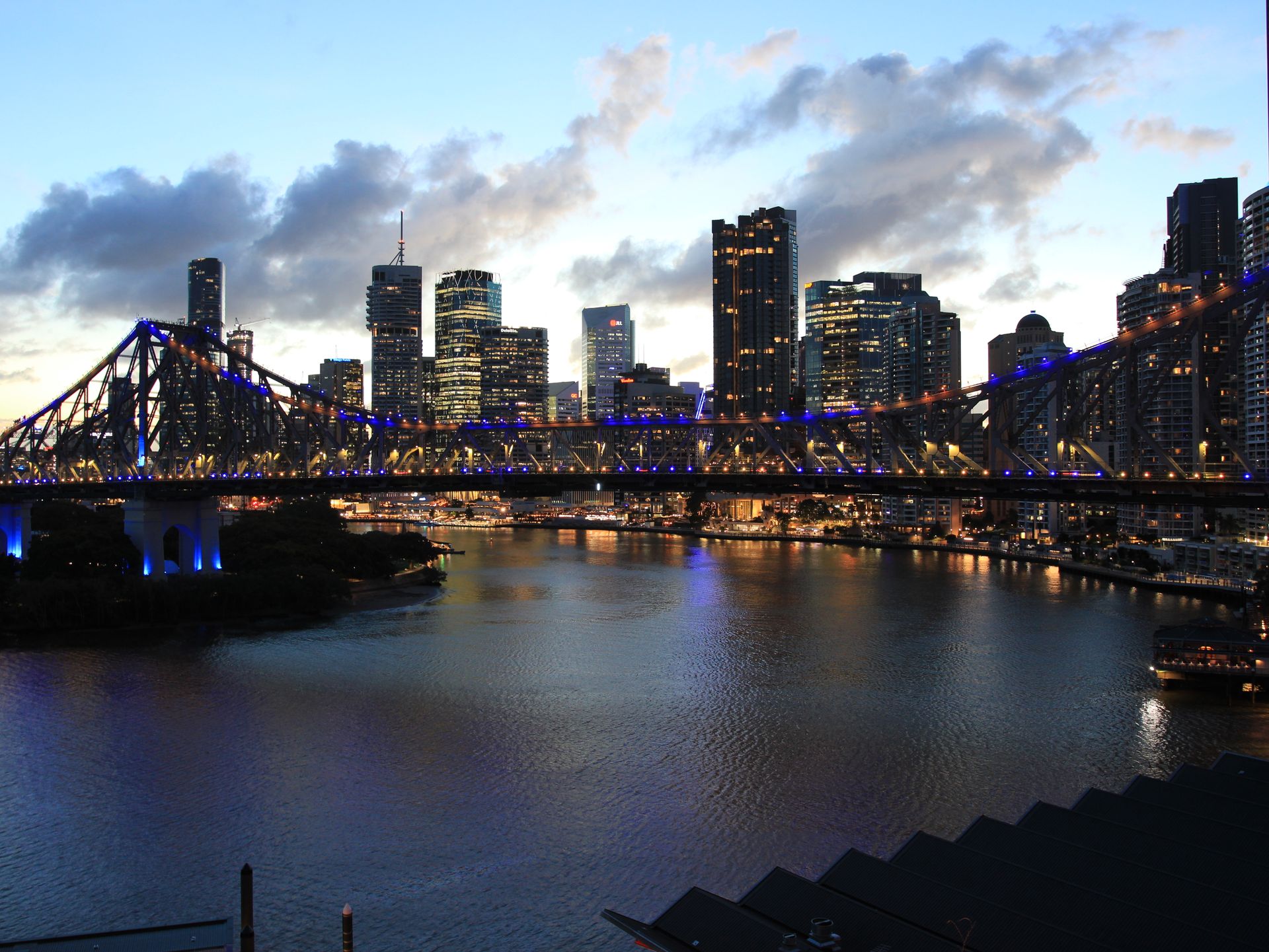
- Featured image: Sydney CBD skyline at dusk via Pexels