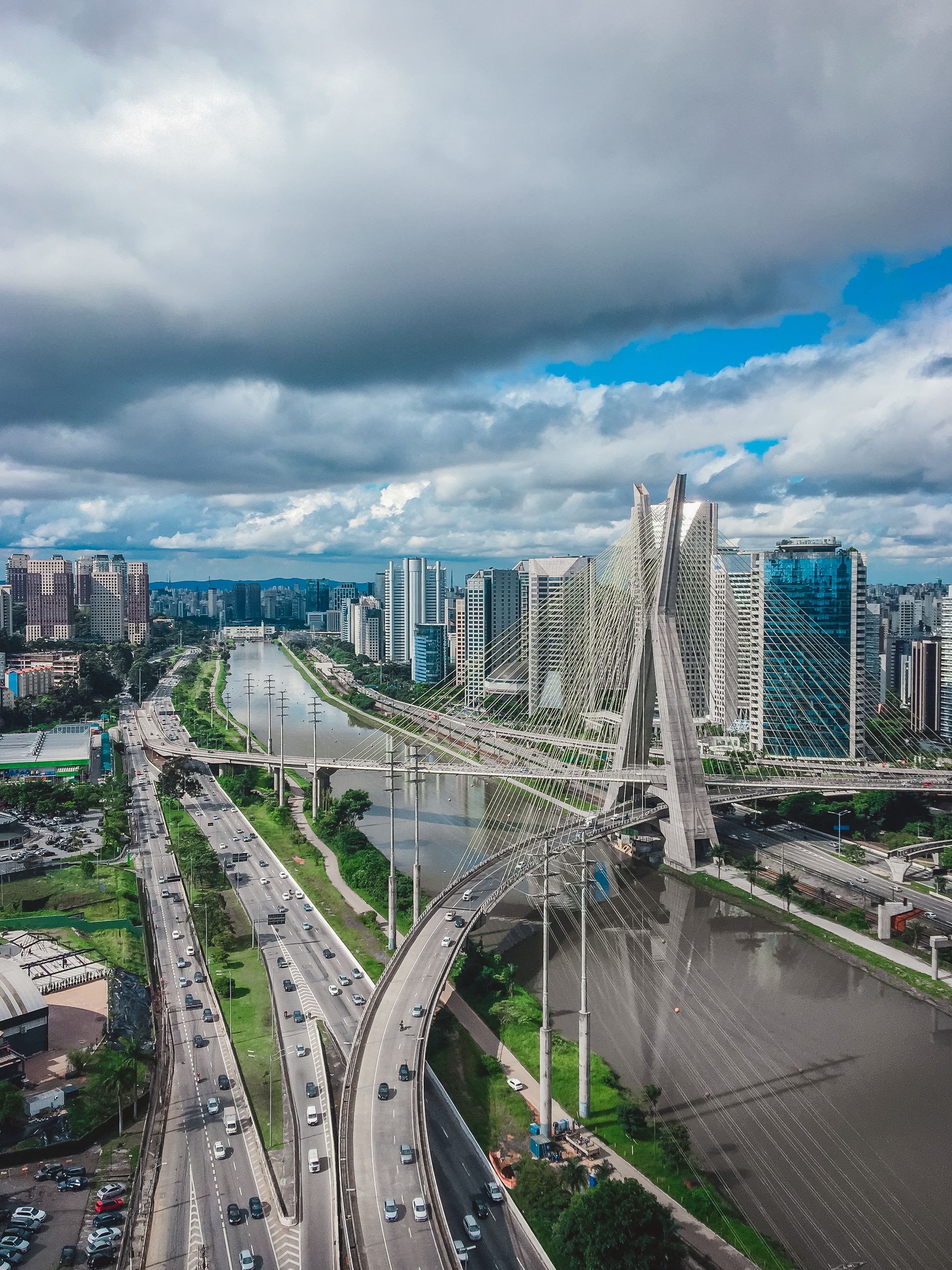
When robotaxis arrive in Australia, which cities will get them first? Urban layout, road infrastructure, population density and regulatory readiness all play a role. We’ve analysed the key factors that make a city suitable for autonomous taxi deployment and ranked Australia’s most likely launch markets.
What Makes a City RoboTaxi-Ready?
Globally, robotaxi services have launched in cities that share common characteristics: well-maintained roads, clear lane markings, moderate traffic density, good cellular coverage and supportive local government. The major operators — Waymo, Zoox and Baidu Apollo — all started in controlled urban environments before expanding.
Australia’s major capitals tick many of these boxes, but each city presents unique advantages and challenges for autonomous vehicle deployment.
Sydney: The Commercial Hub
Sydney’s position as Australia’s largest city and economic centre makes it the most likely candidate for a robotaxi launch. Key advantages include:
Infrastructure: Well-maintained arterial roads, extensive traffic management systems and high-quality road markings. The Sydney Coordinated Adaptive Traffic System (SCATS) already provides real-time traffic signal data that could integrate with autonomous vehicle systems.
Demand: With over 5 million residents and one of the highest rideshare usage rates in the southern hemisphere, Sydney offers the passenger volume needed to sustain a robotaxi fleet.
Challenges: Narrow inner-city streets, complex intersections around the CBD and heavy pedestrian traffic in areas like George Street would require careful geofencing of initial service areas. A likely launch zone could be the airport-to-CBD corridor or the western suburbs’ newer road networks.
Melbourne: The Grid Advantage
Melbourne’s CBD grid layout is one of the most autonomous-vehicle-friendly urban designs in Australia. The predictable street patterns, wide lanes and separated tram corridors provide clear navigation paths for self-driving vehicles.
Testing history: Melbourne has already hosted autonomous vehicle trials, including shuttle services in the Docklands precinct. The Victorian Government has been proactive in developing AV legislation.
Challenges: Melbourne’s famous hook turns and shared tram/car lanes present unique edge cases that robotaxi software would need to handle. Weather variability — four seasons in one day — also tests sensor reliability.
Canberra: The Testing Ground
As the national capital, Canberra has advantages that larger cities don’t. Lower traffic volumes, wide boulevards and a tech-savvy population make it an ideal testing environment. The ACT Government has shown interest in smart city initiatives, and Canberra’s compact size means a robotaxi fleet could cover the entire urban area with relatively few vehicles.
Perth and Brisbane: Emerging Candidates
Both Perth and Brisbane offer modern road networks with less congestion than Sydney or Melbourne. Perth’s suburban sprawl and car-dependent layout could benefit enormously from affordable robotaxi services. Brisbane’s investment in transport infrastructure ahead of the 2032 Olympics could accelerate autonomous vehicle readiness.
The Regional Opportunity
Beyond capital cities, robotaxis could transform transport in regional centres where public transport options are limited. Towns like Geelong, Newcastle and the Gold Coast have populations large enough to support small autonomous fleets while offering simpler driving environments than major cities.
What This Means for Australia
The Australian Government’s regulatory framework will ultimately determine when and where robotaxis can operate. But the infrastructure and demand conditions are already in place across multiple Australian cities. The question is no longer if, but which city will be first. Read more on our About page to learn how we’re tracking every development.