RoboTaxis represent a fundamental shift in urban transport — fully autonomous vehicles that pick up and drop off passengers without a human driver. But how do these self-driving taxis actually work? From the sensors on the roof to the AI making split-second decisions, here’s everything you need to know about the technology powering the robotaxi revolution.
What Makes a RoboTaxi Different from a Regular Car?
A robotaxi isn’t simply a car with cruise control. It’s a purpose-built autonomous vehicle equipped with an array of sensors, processors and software systems that allow it to perceive, interpret and navigate the world without human input. The key difference is Level 4 or Level 5 autonomy — meaning the vehicle handles all driving tasks in defined conditions (Level 4) or in all conditions (Level 5).
Companies like Waymo, Zoox, Baidu Apollo and WeRide have each developed their own technology stacks, but they all share core components: perception sensors, onboard computing, HD mapping and vehicle-to-cloud connectivity.
The Sensor Suite: How RoboTaxis See the World
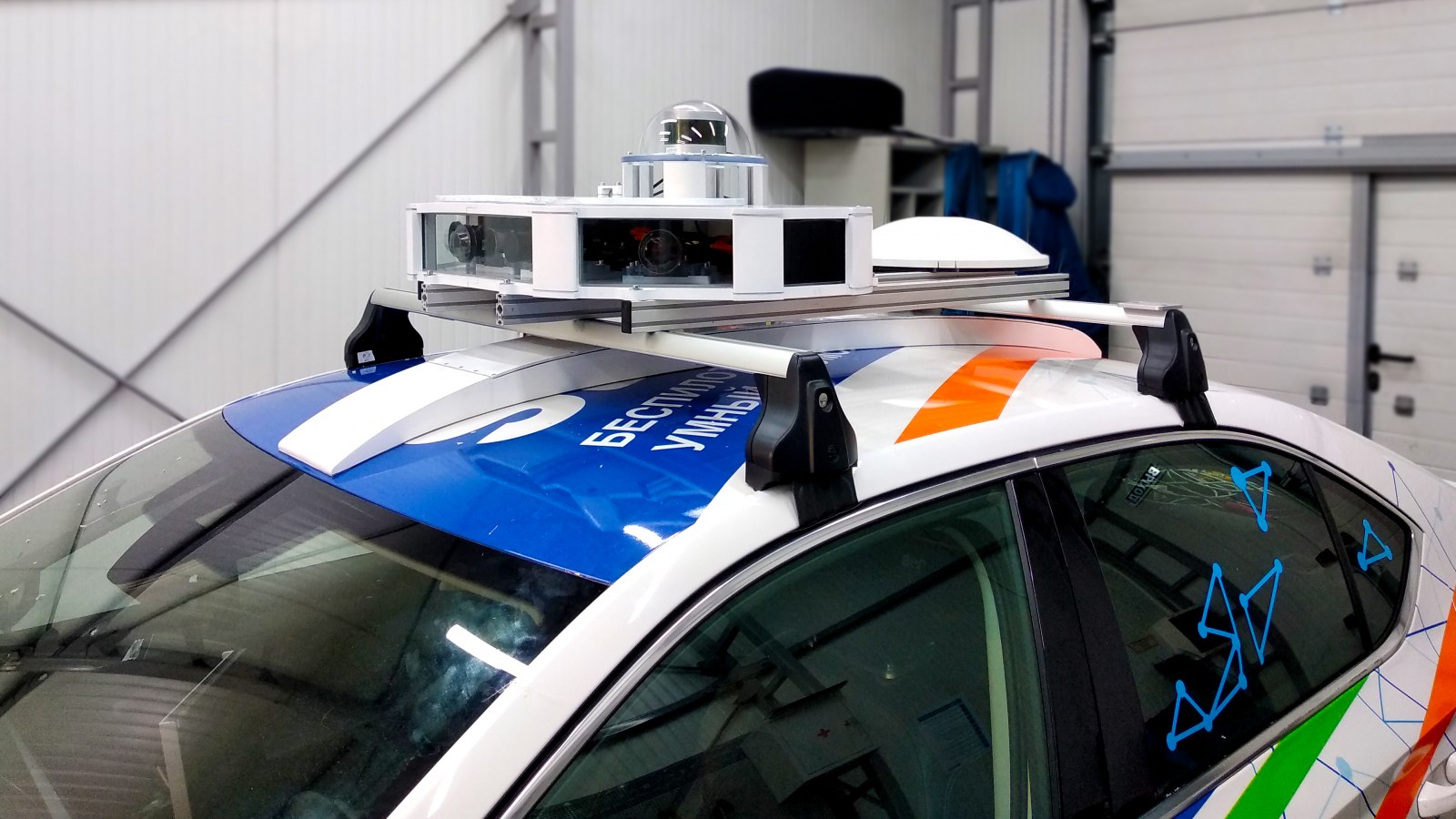
Every robotaxi relies on a combination of sensors working together — a concept known as sensor fusion. The three primary sensor types are:
LiDAR (Light Detection and Ranging): Fires millions of laser pulses per second to build a precise 3D point cloud of the vehicle’s surroundings. LiDAR can detect objects, pedestrians and road edges with centimetre-level accuracy, even in low light.
Cameras: Multiple cameras (typically 10–30 per vehicle) provide colour imagery for reading traffic lights, signs and lane markings. Cameras excel at classification tasks — identifying whether an object is a cyclist, pedestrian or parked car.
Radar: Uses radio waves to measure the speed and distance of objects. Radar works reliably in rain, fog and dust, making it a critical backup for LiDAR and cameras in adverse weather.
Together, these sensors create a 360-degree, real-time model of the environment that updates dozens of times per second.
The AI Brain: Perception, Prediction and Planning
Raw sensor data is meaningless without software to interpret it. A robotaxi’s AI stack typically has three layers:
Perception: Identifies every object in the scene — cars, pedestrians, cyclists, construction cones, animals. Modern perception systems use deep neural networks trained on millions of kilometres of driving data.
Prediction: Forecasts what each detected object will do next. Will that pedestrian step off the kerb? Will the car ahead change lanes? Prediction models run hundreds of scenarios simultaneously.
Planning: Decides the vehicle’s next action — accelerate, brake, change lanes, yield. The planner balances safety, comfort and efficiency, choosing the optimal path through traffic.
HD Maps and Localisation
Most robotaxi operators pre-map their service areas using survey vehicles. These high-definition maps include lane geometry, traffic signal positions, speed limits and kerb locations. During operation, the robotaxi compares its live sensor data against the HD map to determine its exact position — a process called localisation — accurate to within a few centimetres.
How You Book a RoboTaxi Ride
From a passenger’s perspective, booking a robotaxi is remarkably similar to using any rideshare app. You open the operator’s app, enter your destination, confirm the pickup point and wait for the vehicle to arrive. The car unlocks automatically, you get in, and the journey begins. Payment is handled digitally — no cash, no driver interaction.
As robotaxi services expand to Australia, this app-based model is expected to remain the standard booking method.
Safety Systems and Redundancy
Safety is the top priority for every robotaxi developer. Vehicles are built with redundant systems — if one sensor fails, others take over. Steering, braking and computing all have backup systems. Additionally, most operators maintain a remote operations centre where human supervisors can monitor vehicles and provide guidance in unusual situations, such as road closures or emergency vehicle encounters.
Early safety data from Waymo’s operations in Phoenix and San Francisco shows that robotaxis are involved in significantly fewer injury-causing crashes per kilometre than human-driven vehicles.
What This Means for Australia
Understanding how robotaxis work is essential as Australia prepares for autonomous vehicle trials and eventual commercial deployment. The Australian regulatory framework is being developed with these technologies in mind, and cities like Sydney and Melbourne are already being assessed for robotaxi readiness. Stay up to date with our latest news coverage as developments unfold.