As Australia prepares for the arrival of autonomous taxis, a genuinely exciting question accompanies the technology: how much could robotaxis help the environment? For a country working to cut transport emissions and accelerate the shift to clean energy, electric autonomous fleets offer a real opportunity. The scale of the benefit depends on smart design choices, but the direction of travel is promising. Understanding the broader impact of robotaxis on Australia starts with a look at the environmental upside.
Why Transport Emissions Matter in Australia
Transport is Australia’s third-largest source of greenhouse gas emissions, behind electricity generation and stationary energy (excluding electricity). It accounts for around 22 per cent of national emissions, with passenger and light commercial vehicles together making up roughly 60 per cent of transport emissions. The opportunity for cleaner, smarter transport has rarely been greater, and robotaxis could play a meaningful role in the transition.
Key context includes:
- High vehicle ownership — Australia has more cars per capita than most developed countries, which creates substantial room for shared mobility to ease pressure on roads and emissions
- Accelerating EV uptake — electric vehicle adoption in Australia is growing quickly, supported by expanding charging networks and improving affordability
- Cleaner grid each year — renewable generation is rising rapidly across the National Electricity Market, which steadily improves the carbon footprint of every EV on the road
- Modern fleets — shared robotaxi fleets are refreshed far more often than private cars, which means they benefit from the latest efficiency and safety improvements sooner
Electric robotaxis, designed and deployed thoughtfully, can accelerate progress on all of these fronts.
The Electric Advantage
Almost every major robotaxi platform being developed or trialled overseas uses battery-electric vehicles. This is a significant step up from the petrol and diesel vehicles that still dominate Australia’s existing taxi and rideshare fleets. An electric robotaxi produces zero tailpipe emissions, and when charged from renewable sources, its operational carbon footprint is very low.
The benefits compound when electric vehicles are used intensively. A privately owned car typically sits idle more than 95 per cent of the time. A robotaxi serving many riders each day gets far more use out of each battery and each manufactured vehicle, which spreads the emissions cost of building the car across many more trips. Shared electric mobility is one of the most efficient ways to extract environmental value from every battery, every tonne of steel and every kilometre of road.
For Australian cities weighing up infrastructure priorities, the cities most ready for robotaxis are also among those investing most in EV charging infrastructure. The two agendas reinforce each other nicely.
Getting the Environmental Case Right
Maximising the environmental benefit of robotaxis comes down to good design. Researchers studying autonomous transport have identified several factors that shape the final emissions picture, and the good news is that each one has a clear, practical solution:
- Empty vehicle kilometres — smart dispatching and well-placed depots keep robotaxis close to demand, which minimises empty running between trips
- Complementing public transport — when robotaxis are used for first and last mile connections to trains and buses, they strengthen the broader low-emission network rather than competing with it
- Pooled rides — services that group passengers heading in similar directions multiply the emissions savings of each vehicle
- Right-sized vehicles — matching vehicle size to typical trip needs (often one or two passengers) reduces energy use per kilometre
- Long vehicle lifetimes — the manufacturing footprint of each vehicle is amortised across many more trips when cars are well maintained and kept on the road for years
These principles are already being applied in pilot programs around the world, and they form the blueprint for getting the most environmental value out of autonomous transport in Australia.
Grid Power and the Renewable Energy Opportunity
An electric vehicle is only as clean as the electricity that charges it, and this is where Australia’s trajectory looks particularly encouraging. Solar and wind now supply a large and growing share of electricity in most states, and rooftop solar penetration is among the highest in the world. Every year the grid gets cleaner, which means every electric robotaxi becomes a little greener without any change to the vehicle itself.
Robotaxi operators have several practical levers to accelerate the benefit:
- Daytime charging — charging during peak solar output soaks up abundant midday renewable energy and can dramatically reduce per-trip emissions
- On-site solar and storage — depots with rooftop solar and batteries can supply a large share of their charging needs directly from renewables
- Power purchase agreements — operators can contract directly for renewable generation to match their consumption hour by hour
- Grid support services — large, predictable fleets can help stabilise the grid through coordinated charging and, over time, vehicle-to-grid technology
Each of these approaches is already being used elsewhere, and Australia’s strong renewable resources make them particularly attractive here.
Smarter Traffic, Cleaner Cities
Alongside the vehicle and energy benefits, autonomous transport opens up meaningful opportunities to manage urban traffic more efficiently. Smoother traffic flow, fewer cars searching for parking and better coordination with traffic signals all translate into real reductions in energy use and local air pollution. The cost of robotaxi rides will shape how the service is used, and operators are increasingly aware that a well-functioning system benefits everyone on the road.
Positive mitigation and design strategies include:
- Ride pooling — services that combine multiple passengers reduce the number of vehicles needed for the same mobility outcome
- Coordination with public transport — integrating robotaxi services with trains and buses multiplies the value of existing infrastructure
- Dedicated pickup and drop-off zones — small infrastructure investments keep robotaxis out of busy traffic lanes and improve flow for everyone
- Off-peak operation — redistributing trips away from peak hours eases congestion where it is worst
These planning choices, shaped in part by the framework being built under the National Transport Commission’s automated vehicle program, can turn robotaxis into an active partner in cleaner urban transport.
What the Research Suggests
International research on the environmental impact of autonomous vehicles is broadly optimistic when electric robotaxis are shared, integrated with public transport and powered by renewable energy. In those scenarios, studies point to meaningful reductions in urban transport emissions, cleaner air and more efficient use of existing roads.
Australia is well placed to capture these benefits. The country already has strong renewable energy resources, an accelerating EV industry and active regulatory work on automated vehicles. The combination creates a genuine opportunity for autonomous transport to support the national emissions reduction effort rather than work against it.
These issues connect closely to public trust in self-driving cars, since community acceptance grows when the technology is seen as part of a credible environmental story.
What Australian Riders Can Do
Riders can directly help maximise the environmental benefit of robotaxi travel through a few easy choices:
- Choose pooled rides — sharing a trip with other passengers, where available, significantly cuts per-person emissions
- Combine with public transport — using robotaxis for short connections rather than entire journeys makes better use of trains, trams and buses
- Walk or ride for short trips — the lowest-impact option for trips under a few kilometres stays the best choice
- Support operators with clean energy credentials — choosing services that invest in renewable charging sends a clear signal to the market
Robotaxis can play a genuinely positive role in Australia’s transport transition. For broader context on how the technology is expected to roll out, see our realistic timeline for Australian robotaxis and our coverage of how robotaxis compare with rideshare.
The next few years will shape how much of this potential Australia realises. With the right mix of clean energy, thoughtful service design and good planning, electric autonomous fleets can become an important part of the country’s low-emission future.
Sources
- Department of Climate Change, Energy, the Environment and Water — National Greenhouse Gas Inventory
- Department of Infrastructure, Transport — New Vehicle Efficiency Standard
- Australian Energy Market Operator — National Electricity Market
- National Transport Commission — Automated Vehicle Program
- Australian Bureau of Statistics — Motor Vehicle Census
- International Energy Agency — Global EV Outlook
- Department of Infrastructure, Transport — Towards Net Zero Transport and Infrastructure
- Green Vehicle Guide — Vehicle Emissions (Australian Government)
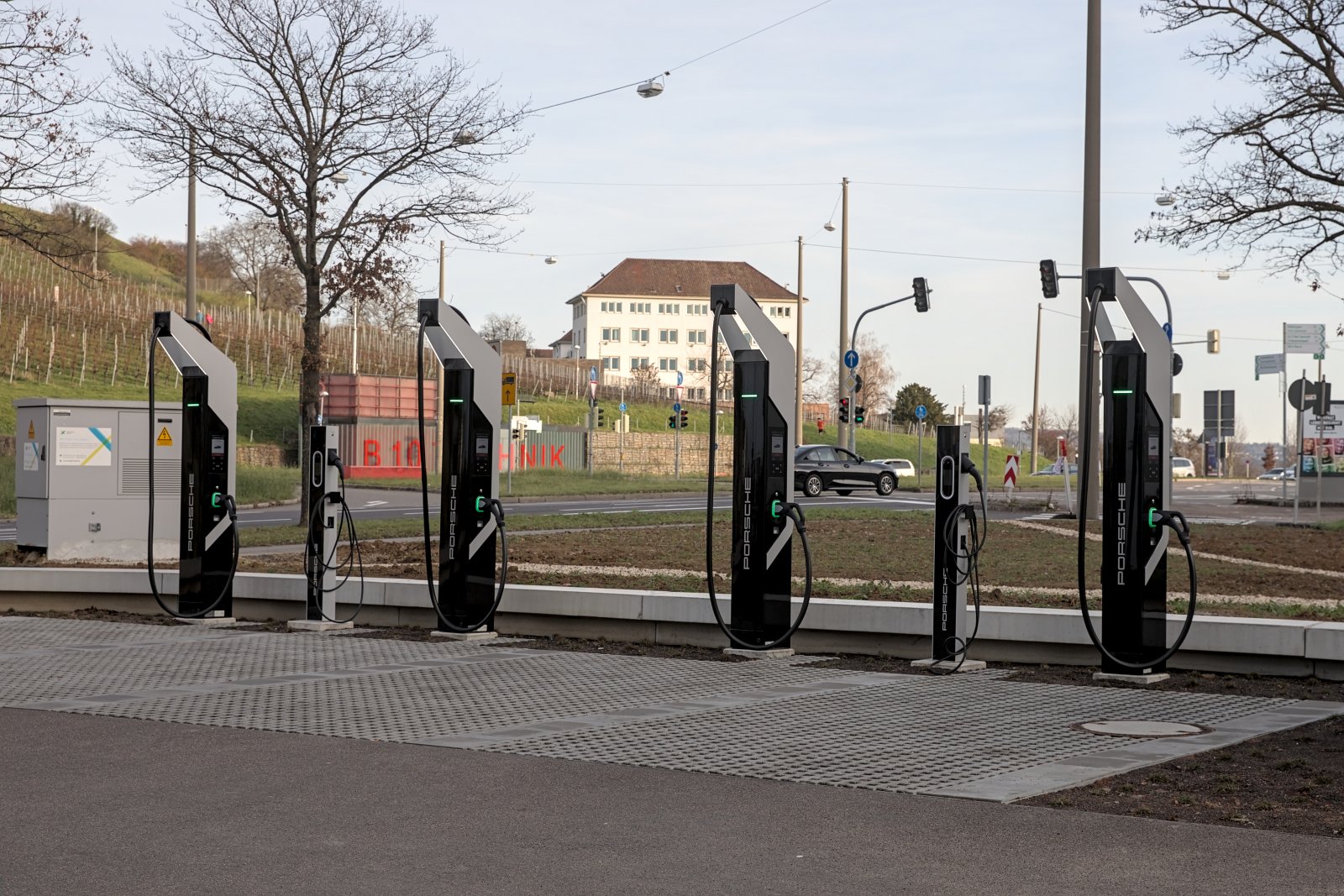
- Featured image: Electric vehicle charging stations by Alexander Migl, CC BY-SA 4.0, via Wikimedia Commons