Safety is the single biggest factor that will determine how quickly robotaxis are adopted in Australia and worldwide. Autonomous vehicle developers have invested billions into making self-driving taxis safer than human-driven cars — and the early results are promising. Here’s what the safety data shows and what it means for passengers.
The Human Driving Problem
To understand robotaxi safety, you first need to understand the baseline. In Australia, approximately 1,200 people die on roads each year, with over 39,000 seriously injured. Globally, road crashes kill 1.35 million people annually. The primary causes are consistent: distraction, fatigue, speeding and impairment — all uniquely human failures.
Robotaxis eliminate these factors entirely. An autonomous vehicle doesn’t check its phone, doesn’t drive tired after a long shift and doesn’t exceed the speed limit. This foundational advantage is what drives the safety case for self-driving taxis.
What the Data Shows
Waymo — the most advanced robotaxi operator globally — has published extensive safety data from its operations in Phoenix, San Francisco and Los Angeles. Key findings include:
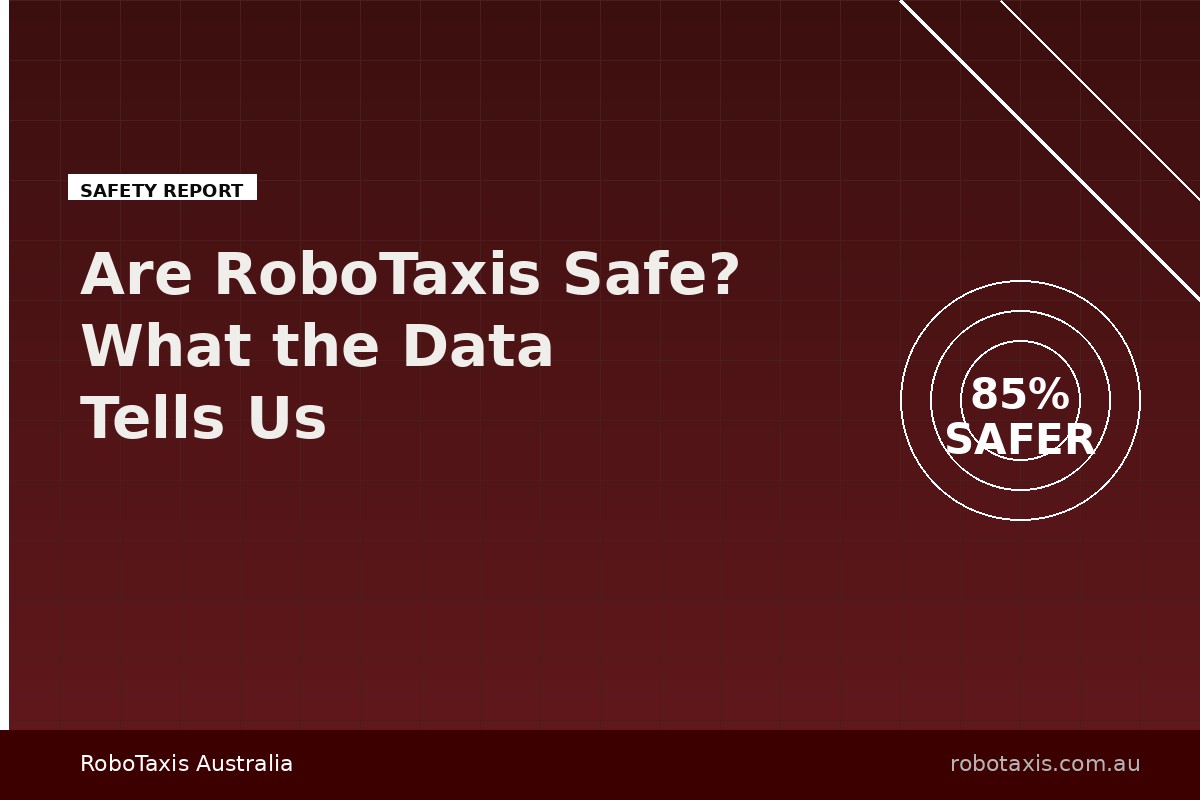
85% fewer injury-causing crashes compared to human drivers over equivalent kilometres. This figure comes from peer-reviewed research comparing Waymo’s autonomous driving record against national crash benchmarks.
Zero at-fault pedestrian or cyclist fatalities across Waymo’s entire operational history of over 30 million autonomous kilometres.
Significantly lower property damage rates — when collisions do occur, they tend to be minor and are overwhelmingly caused by other road users hitting the robotaxi, not the other way around.
How RoboTaxis Achieve Superior Safety
Several technological advantages contribute to robotaxi safety:
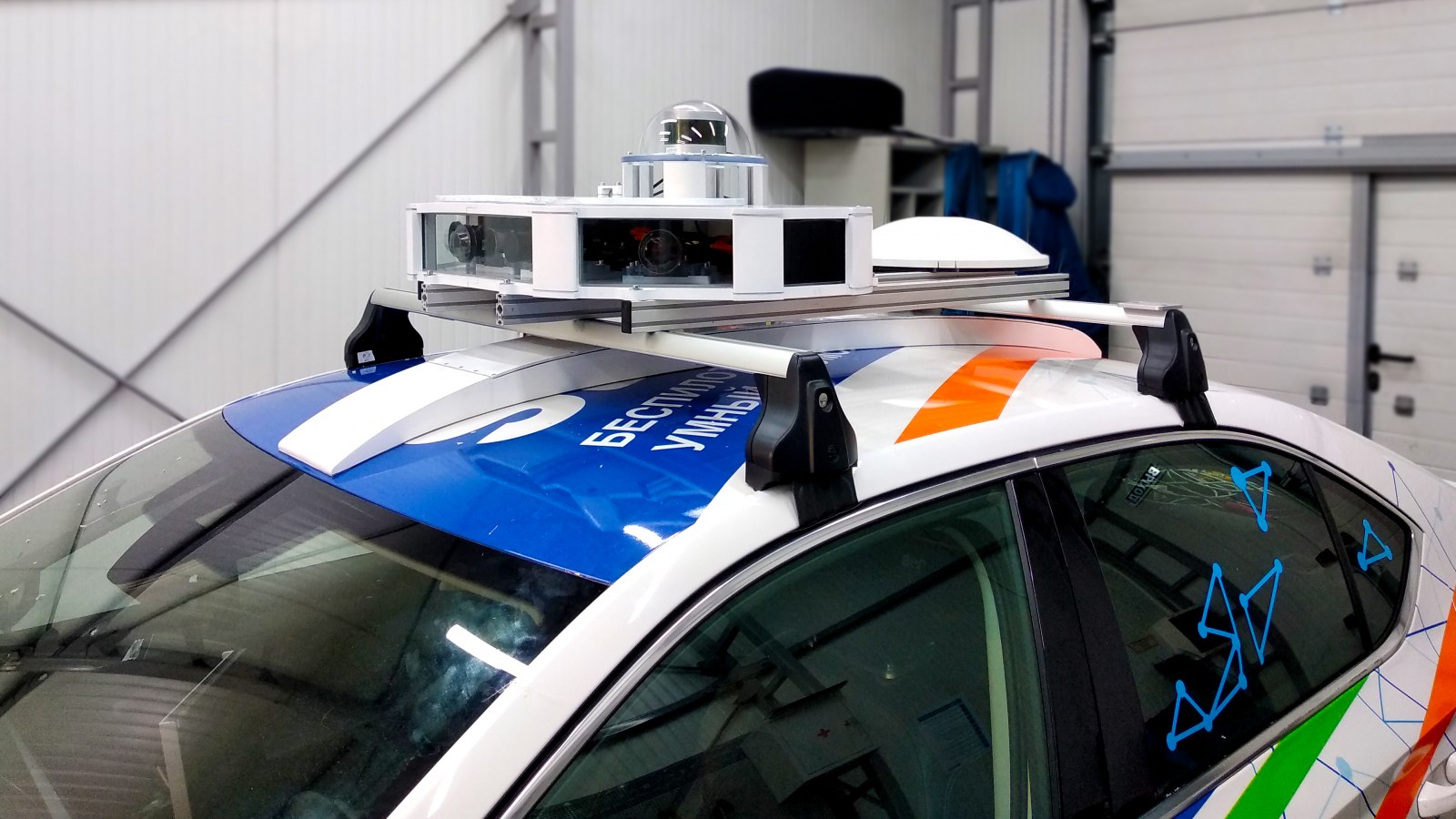
360-degree awareness: Unlike human drivers who have blind spots and a limited field of view, robotaxis use sensor suites that monitor every direction simultaneously. A pedestrian approaching from behind is detected as readily as one crossing ahead.
Instant reaction times: Human reaction time averages 1.5 seconds. A robotaxi’s system can detect a hazard and begin braking in under 200 milliseconds — critical when every metre counts.
Consistent behaviour: A robotaxi follows the same safe driving protocols on every trip. It doesn’t have bad days, doesn’t take risks to make up time and doesn’t become complacent on familiar routes.
Continuous learning: Data from every kilometre driven by every vehicle in the fleet is used to improve the system. A near-miss in San Francisco can improve decision-making for vehicles in Phoenix within days.
The Challenges That Remain
Robotaxis are not perfect. Current limitations include:
Edge cases: Unusual situations — a mattress on the road, an emergency vehicle approaching from an unexpected direction, a flooded intersection — can confuse autonomous systems. Operators address this through simulation testing and remote human oversight.
Weather performance: Heavy rain, snow and dust can degrade sensor performance. This is particularly relevant for Australian conditions, where sudden weather changes are common. Operators are actively developing weather-resilient sensor systems.
Mixed traffic: Robotaxis sharing roads with human drivers, cyclists and pedestrians creates unpredictable interactions. As the proportion of autonomous vehicles increases, this challenge diminishes.
Australia’s Safety Standards
The Australian Government is developing safety standards specifically for autonomous vehicles. These standards are expected to include mandatory safety benchmarks that operators must meet before commercial deployment, independent testing requirements, and ongoing monitoring and reporting obligations.
Australia’s existing vehicle safety standards — administered by the Department of Infrastructure — are among the world’s most rigorous, providing a strong foundation for AV regulation.
What This Means for Australian Passengers
When robotaxis arrive in Australia, passengers can expect a service that has been tested across hundreds of millions of kilometres globally and meets stringent local safety requirements. The technology isn’t flawless, but the evidence consistently shows it outperforms human driving on safety metrics that matter most. Follow our latest news for updates on safety developments and regulatory progress.